Understanding investing

Whether you’re new to investing or have some experience, there’s always more to learn. This is a simple place to build your confidence and get started.
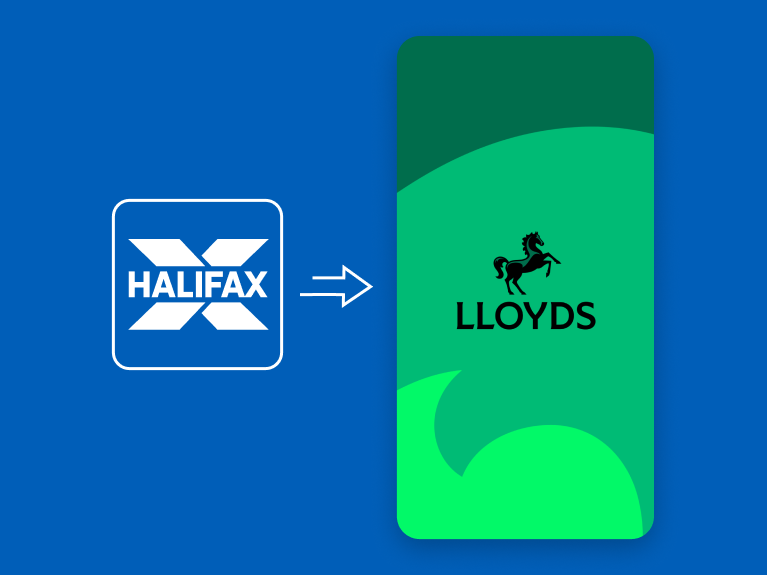
 

Bank on Lloyds for investing

As the Halifax brand is changing to Lloyds, Halifax investments are no longer available to new customers.​

If you're looking for an investment, explore the wide range from Lloyds to find one that's right for you.​

​Lloyds investing

Existing accounts are not affected by the brand change.


What is investing?

Investing isn’t the same as saving. Instead of just putting money aside, it’s about using your money to buy something that could grow in value over time. You can invest in lots of different things and you might already be investing without realising it, like through a pension or by buying a home.


Investing can give you the chance to grow your money more than saving alone. But it also comes with more risk. There’s no guarantee you’ll make a profit, and the value of investments including property can go down as well as up.

Tackling the investing myths

Investing can feel a bit daunting at first, and that’s completely normal. By clearing up some common myths, we’ll help you feel more confident and understand how your money could work harder for you.

Could I lose my money?

It’s a normal question to ask but risk doesn’t mean you’re certain to lose money. Over time, markets have recovered and grown, even after major events like Covid.

Keeping everything in cash can feel like the safest option. But as prices rise, the value of your savings can slowly be eroded.

Investing gives your money more opportunity to grow, especially if you’re able to stay invested for 5 years or more. You can still access your money but taking a longer‑term view can help smooth out the ups and downs along the way.

Spreading your money across different types of investments, known as diversification, can also help balance things out if one area performs less well.

You can find out more on our resilient investing page, where we explain how to invest with confidence.

Resilient investing

Don’t you need lots of money to invest?

You don’t need a lot of money to start investing. With a Share Dealing ISA or Share Dealing Account, you can begin from just £20 a month using our free regular investment plan.

We also offer free investing accounts for 18 to 25 year olds, with a choice of an ISA or a Share Dealing Account.

If you’d like something simple, our Ready Made accounts let you get started from £50 a month or a £500 lump sum. Just pick the risk level that feels right for you, and we’ll look after the rest.

Starting small is absolutely fine. Just keep in mind that fees can have more of an effect when your balance is very low, especially at the beginning. As you add more over time, that impact becomes smaller.

And it’s always worth keeping some cash savings aside for any unexpected costs. Investing is usually a long term plan, but your money isn’t locked away - you can stop, start or change things whenever you like.

Regular investing

I’m not sure where to start

It’s completely normal to feel that way when you’re starting out. The good news is you don’t need expert knowledge or lots of time to begin investing.

If you’re looking for a simple way to get going, our Ready‑Made options do the hard work for you. You choose the level of risk you’re comfortable with, and our experts take care of the rest.

If you’d rather be more hands‑on, our pick‑your‑own accounts give you more control over where your money goes. We also offer helpful tools, like the Fund Select List and ETF Quicklist, to make choosing easier. And with our regular investment plan, you can set things up once and let it run.

Getting started is often simpler than you expect, and we have options to suit every level of experience.

Compare accounts

Investing basics – how to get started

These guides walk you through the basics will help you understand how investing works and feel more confident before you get started. Learn why risk matters, break down ideas like spreading your money, market ups and downs, and choosing between growth or income. 

Investing for beginners

Use the 5 step investing for beginners guide to get started.

Risk explained

Investments come with different levels of risk. Understanding risk helps you choose what feels right for you.

Income vs growth

Income or growth? Find out what to consider for your investment strategy.

Investment accounts and assets

Learn the different ways you can invest, from Stocks and Shares ISAs to funds and investment trusts. We explain what each one is, how it works, and how it could help you reach your goals.

What is a stocks and shares ISA?

Find out about tax-efficient investing with a stocks and shares ISA.

What is a fund?

Discover more about what a fund is and how it pools investments together.

What is an ETF?

Learn about ETFs (Exchange Traded Funds) and how they can help you start investing today.

Investment Trusts

Understand how Investment Trusts work and how to invest.

Investment planning

Build your confidence as an investor. Learn about tax‑efficient ways to invest, options that reflect what matters to you, and simple approaches that can help you stay focused when markets rise and fall.

Tax-efficient investing

Make more of what you invest your money in with tax-efficient investment ideas.

Responsible investing

Responsible investing is a way to invest that looks at the impacts companies have on people and the planet.

Resilient investing

Through resilient investing you’ll find simple ways to help you stay on track when markets go up and down.

Diversification

Learn how important diversification is to help spread risk when markets hit a few bumps.

Why volatility is good

Market ups and downs can feel unsettling at first. With the right approach, market volatility can work in your favour.


Time in the market vs timing the market

Curious about the difference between the ‘Time in the Market’ and ‘Timing the Market’ investing strategies? Watch our video with iShares by BlackRock, to learn more.

Keep in mind that the video is produced by BlackRock and does not constitute investment, or any other advice and is subject to change. Any opinions expressed are their own.

Build and manage your portfolio

Learn how to diversify your investments, include opportunities from around the world, and balance risk and reward as you work towards your goals.

Build your portfolio

If you’re ready to build your investment portfolio, we’ve set out some clear steps to help you put together a balanced mix of investments.

International investing

Investing isn’t limited to the UK. Take a look at opportunities to invest in markets around the world with international investing.

Investing for longer increases the likelihood of positive returns. Over a period of 5 years or more, investments usually give you a higher return compared to cash savings. But investments can go down as well as up in value, so you could get back less than you put in.

Key terms you should know

Before you start investing, it helps to feel comfortable with the language you’ll come across. We’ll walk through some key terms and ideas to help you feel more confident as you make decisions about your money.

  • An asset is anything you own that has value - like money, property, or even shares in a company. If it helps you build wealth or if you can sell it for cash, it’s an asset. 

  • Your portfolio is your personal collection of investments. Your financial footprint, showing how you’re building wealth over time.

  • Diversification aims to spread your risk by not putting all your money in one place. If one asset falls in value, others might be doing better, helping to add balance to your investments.

  • Liquidity is how quickly and easily you can turn something into cash. Cash is almost instant. Selling shares usually takes 2 days. Selling a house? That takes time. The more liquid something is, the faster you can use it.

  • Capital Gains are the profit you make when you sell something for more than you paid. Each tax year you have a Capital Gains Allowance. This is the amount of profit you can make before paying any Capital Gains Tax.

  • Simply put, compounding is earnings on earnings. So, any growth you see on your investments will also earn growth. This builds up over time. It's a snowball effect.

  • Pound cost averaging involves investing a fixed amount regularly, no matter the market conditions. By buying consistently, you buy more units at lower prices and less at higher prices. This method helps lessen the impact of market fluctuations. 

Protecting your money

Protecting your money


The Financial Services Compensation Scheme (FSCS) protects the eligible money you hold with us.

More about the FSCS


The Financial Services Compensation Scheme (FSCS) protects the eligible money you hold with us.

More about the FSCS

You might also like

Brand change

As the Halifax brand changes to Lloyds, we'll keep you informed at every stage.

More on the change

Get the Lloyds app

Access and manage your Halifax accounts in the Lloyds app. 

How to get the app

Support centre

While the brand might be changing, we're still here to support you. 

Get help and support

Important legal information

Halifax Share Dealing Limited. Registered in England and Wales no. 3195646. Registered Office: Trinity Road, Halifax, West Yorkshire, HX1 2RG. Authorised and regulated by the Financial Conduct Authority under registration number 183332. A Member of the London Stock Exchange and an HM Revenue & Customs Approved ISA Manager.